
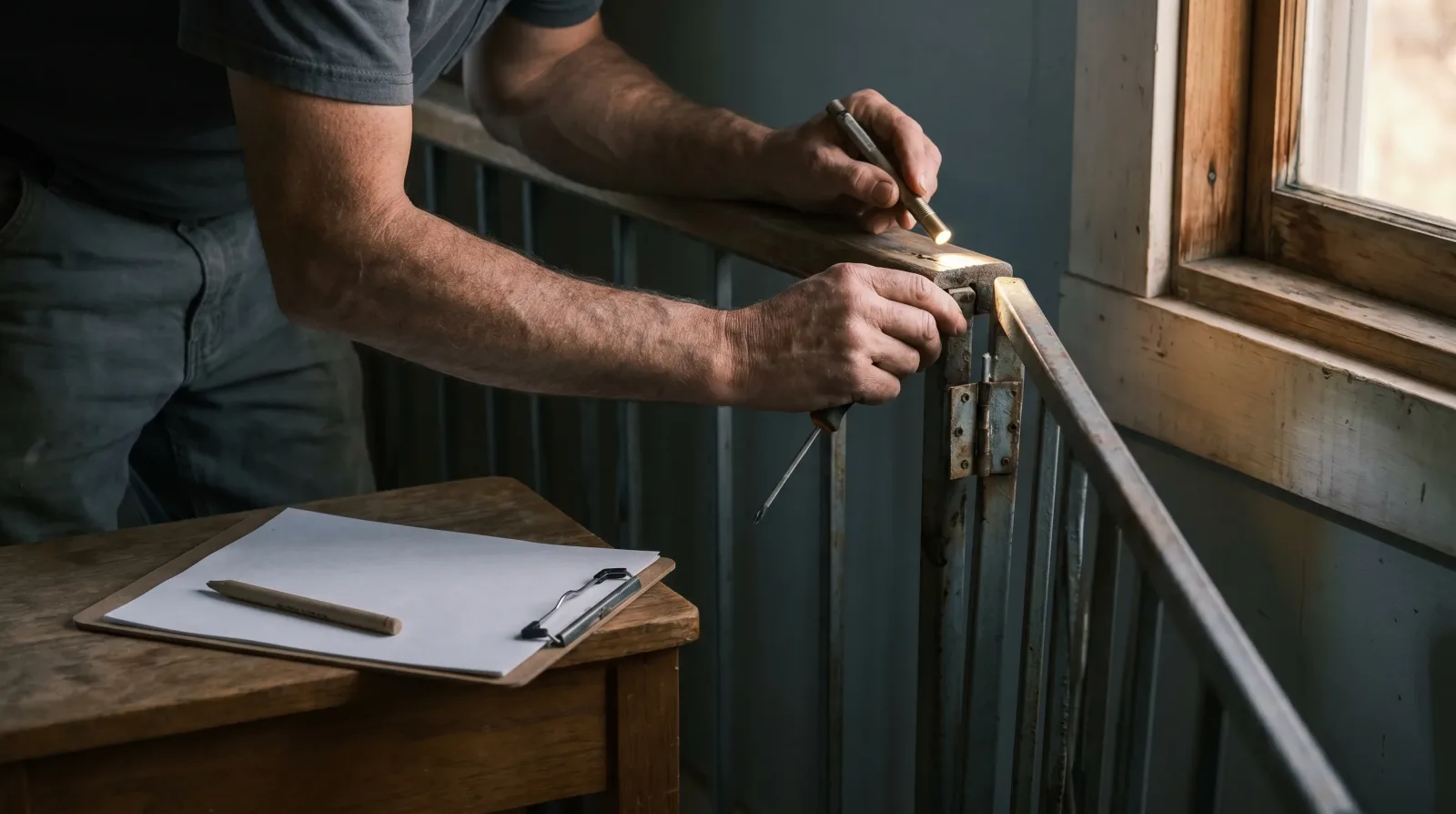
Home inspection reports in BC tend to land at the worst possible moment. The accepted offer is days old, the moving plans are already in motion, and a 35-page document arrives with a section called 'Items Requiring Attention' that lists 14 things you did not know about your own house. The first instinct is to either fix everything to avoid losing the deal, or to refuse everything to avoid losing money. The right answer is almost always between those two extremes, and the difference between handling the request well and badly is usually the speed and clarity of the response.
1. Triage the list into three categories
Not every item on an inspection report deserves the same response. Most reports lump cosmetic notes, recommended improvements, and actual safety items into one section, which is why they look intimidating. Sort the list before responding to anyone.
Category A: must address
Anything safety-related, anything that affects the structural or operating systems of the house, and anything the inspector flagged as 'requires immediate attention.' Examples: failed GFCI outlets, missing handrails on basement stairs, a roof leak, a broken smoke detector, a furnace that does not light. These are non-negotiable in any reasonable buyer-seller relationship and refusing them risks the deal.
Category B: reasonable to negotiate
Items that are real but not urgent: a slow-draining sink, dated electrical (knob-and-tube in a section), older windows, a furnace that is functional but old. The right move here is usually a credit at closing rather than a repair, because the buyer can choose their own contractor and timeline after possession.
Category C: cosmetic or wrongly flagged
Anything cosmetic, items the inspector got wrong, or items that were disclosed in the listing. Examples: 'wall has a small crack' (almost every BC home has settling cracks), 'paint is dated' (subjective), 'bathroom fan is older' (still works). These are the items to politely decline, with a written explanation and any supporting documentation.
2. Speed matters more than perfection
The longer the inspection request sits without a response, the more room there is for the buyer's anxiety to grow into a re-negotiation. A clear, written response within 48 hours signals that the seller is reasonable and confident. The response should address each item by category, propose a solution (repair, credit, or decline with reason), and offer documentation where it helps.
3. Repair vs credit: when each makes sense
Repairs are usually better when the work is small, fast, and visible at the final walk-through (a fresh GFCI outlet, a tightened handrail, a smoke detector swap). They show the buyer the house is being cared for and remove the item from their post-possession checklist.
Credits are usually better when the work is larger, the buyer might have specific preferences, or the timing is tight. A $1,500 credit at closing for a furnace replacement avoids the seller scheduling a contractor under deadline pressure and lets the buyer pick their own timing and unit.
4. Document everything you fix
Photo documentation matters here in a way it does not in regular handyman work. The buyer is being asked to trust that the work was actually done, by a real tradesperson, to a reasonable standard. A before-and-after photo of each repaired item, attached to a clear itemized invoice, eliminates the awkward 'show me' moment at the final walk-through and accelerates the close.